

Recarburizer
Located in Cheng'an county, Handan city, Hebei province, only10 kilometers away from Handan airport, Hebei Karbul Energy Manufacturing Co., Ltd. is a wholly-owned subsidiary of "Handan Fangyuan Carbon Co., Ltd.", we are specialized in the production and sales of graphite electrodes. The company's main products are RP graphite electrode, HP graphite electrode, SHP graphite electrode, UHP graphite electrode, recarburizer, etc.


Why choose us?
Sales market
Our products to countries and regions like Russia, Europe, Asia and South America, winning a good reputation both in domestic market and overseas for its good quality and competitive price.
Equipment and scale
Our factory covers an area of about 160000 square meters, has more than 500 employees. It has two production lines of 3500 tons extrusion molding machine and vibration molding machine, 6000 tons graphitization furnace, with annual output of various graphite products 30000 tons.
Professional team
Is specialized in the production and sales of graphite electrodes. With professional technicians and excellent after-sale service, we have been exporting.

High carbon purity:
Recarburizers typically offer high purity levels, ensuring minimal contamination in the final metal products.
Consistent quality:
With standardized carbon content, users can attain consistency in product quality across production batches.
Improved mechanical properties:
Helps in developing specific mechanical properties suitable for varied applications, enhancing product performance.
Cost-effectiveness:
By optimizing carbon additions, businesses can reduce scrap rates and improve overall yield, leading to cost savings.
Ease of use:
These materials can be easily integrated into existing processes, streamlining operations efficiently.
Product Specifications
|
Spec Pr Product |
F.C (%) |
Ash (%) |
Moisture (%) |
V.M (%) |
S (%) |
N (ppm) |
Size (mm) |
|
GPC-1 |
99min |
0.5max |
0.5max |
0.5max |
0.03max |
100 |
Customized |
|
GPC-2 |
98.5min |
0.5max |
0.5max |
0.5max |
0.05max |
300 |
Customized |
|
Packing |
25kgs bag or 1000kgs bag |
||||||
Application of Recarburizer

Steelmaking industry applications
Carbon content adjustment:
Recarburizer is extensively used in the steelmaking industry to adjust the carbon content of steel. By adding recarburizer to the molten steel, the carbon level can be precisely controlled, ensuring the desired properties such as hardness, strength, and wear resistance. Recarburizer is particularly crucial in the production of high-carbon steel, stainless steel, and alloy steel.
Improving electrical conductivity:
Recarburizer is utilized to improve the electrical conductivity of steel, making it suitable for applications in the electrical and electronics industries. By adding recarburizer, the steel gains enhanced electrical conductivity, making it ideal for power transmission cables, electrical equipment, and electronic components.

Foundry and casting applications
Cast iron production:
Recarburizer plays a vital role in the production of cast iron. It is added to molten iron to adjust the carbon content and improve the quality of the cast iron. The addition of recarburizer enhances the fluidity and machinability of the molten metal, resulting in improved castings with better surface finish, thermal conductivity, and mechanical properties.
Ductile iron production:
Recarburizer is essential in the production of ductile iron, also known as nodular cast iron. It is added to the molten iron to promote the formation of graphite nodules, which enhance the ductility, strength, and impact resistance of the final product. Recarburizer ensures the desired carbon content is achieved, enabling the production of high-quality ductile iron components used in automotive, machinery, and construction industries.
Other industrial applications
Carbon additive in carbon electrodes:
Recarburizer is used as a carbon additive in the production of carbon electrodes. Carbon electrodes are widely used in industries such as metal smelting, chemical processes, and electric arc furnaces. The addition of recarburizer aids in achieving the desired electrical conductivity and performance of carbon electrodes.
Brake pads and friction materials:
Recarburizer finds application in the manufacturing of brake pads and other friction materials. The addition of recarburizer improves the friction and wear characteristics of these materials, enhancing their performance and longevity.
Carbon enrichment in soil:
Recarburizer is used in agricultural applications to enrich carbon content in soil. The addition of recarburizer helps improve soil structure, water retention capacity, and nutrient availability, leading to healthier plant growth and increased agricultural productivity.
1 ton in Jumbo bag or 25kgs/bag, packaged into 20’container, 18 to 20 tons per 20’FCL

●T/T: 30% down payment, and 70% against B/L copy.
●L/C: Sight or usance acceptable
●Deferred payment: Only applicable to regular customers
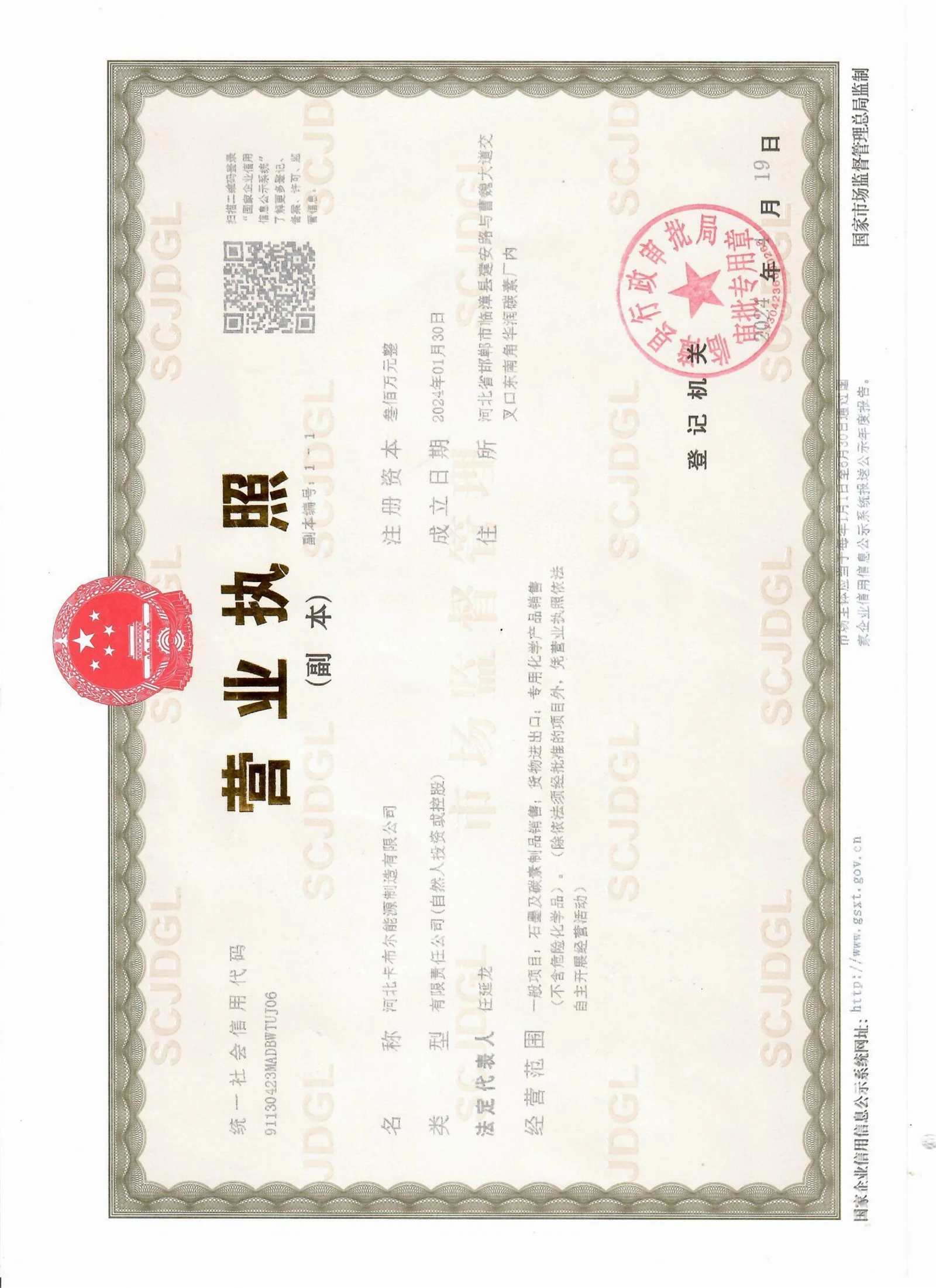
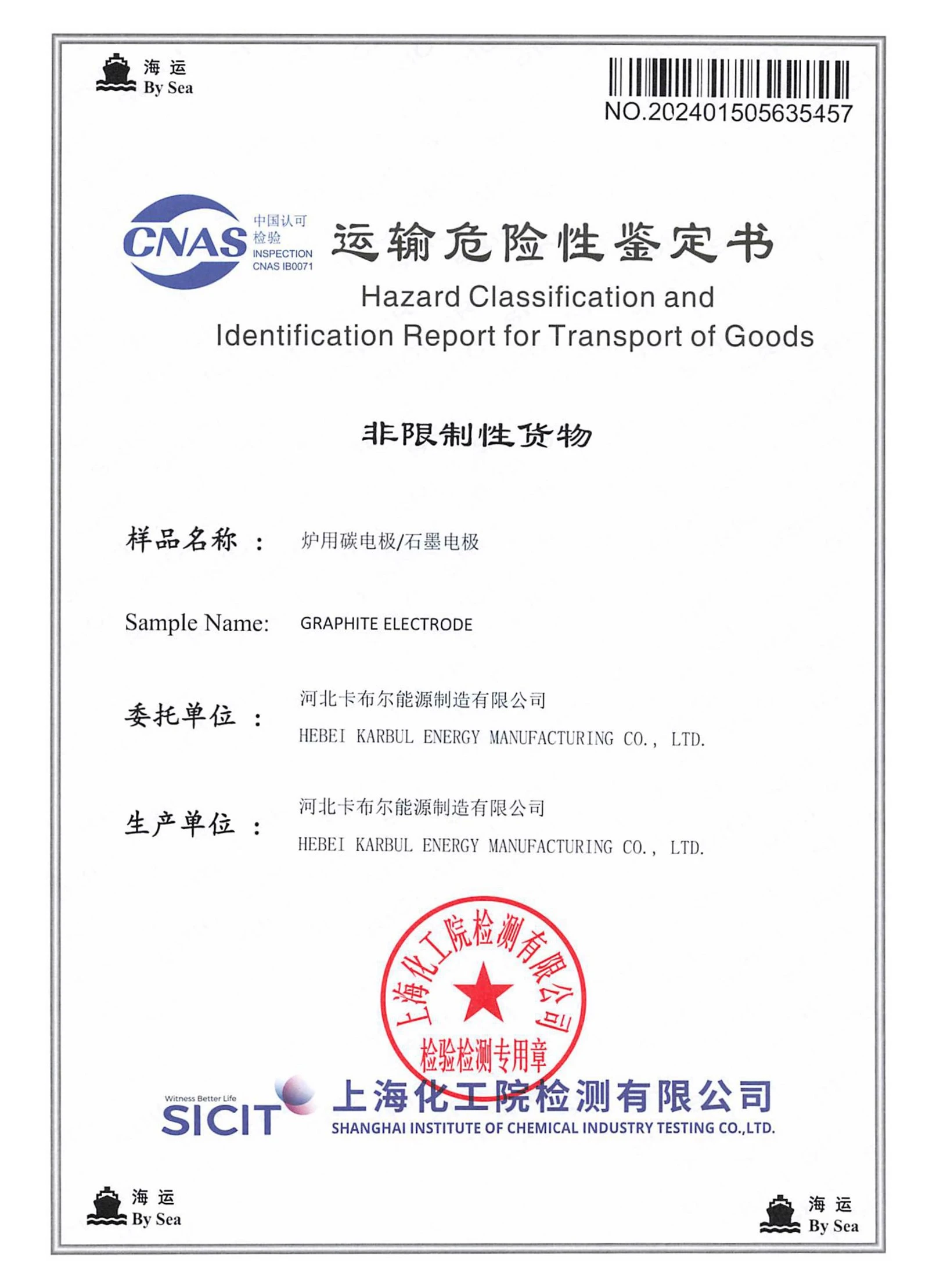
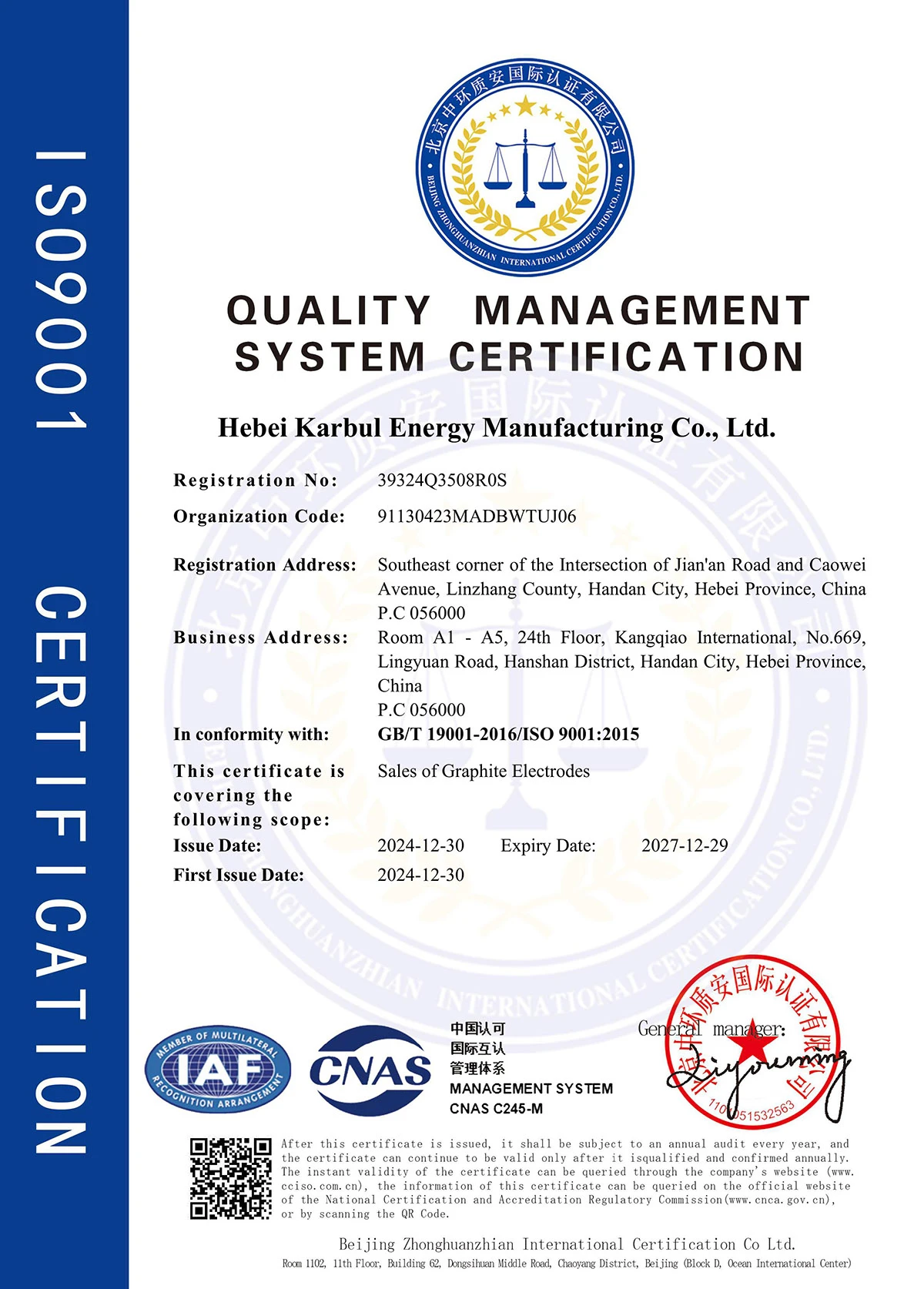
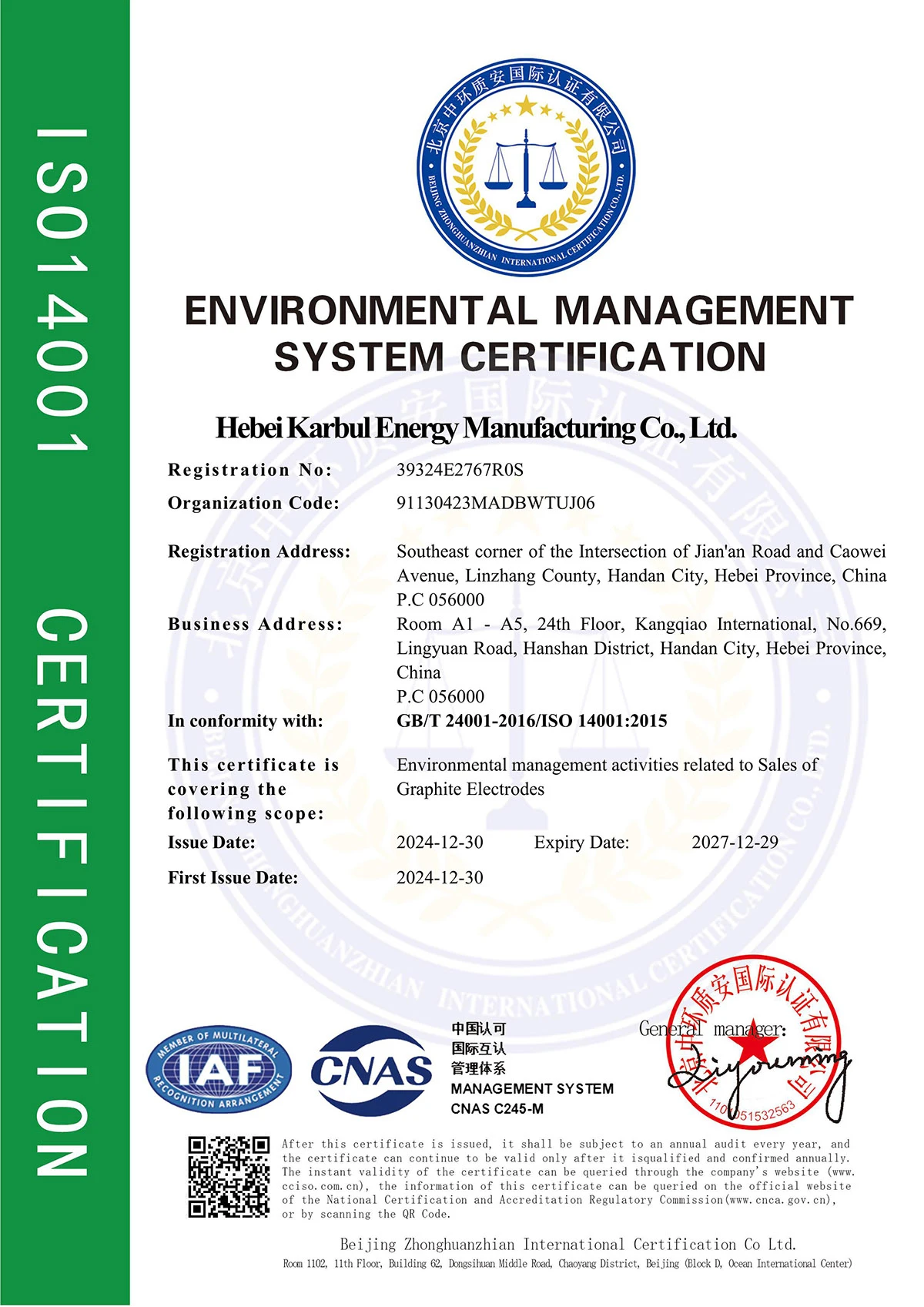
Certifications
FAQ
We're well-known as one of the leading recarburizer manufacturers and suppliers in China for our quality products and good service. Please feel free to buy recarburizer at competitive price from our factory.
die casting recarburizer, specialized recarburizer, induction furnace recarburizer