

Ultra-high power (UHP) electrodes play a crucial role in the operation of electric arc furnaces (EAFs), which are widely used in the steelmaking industry. As a leading UHP electrode supplier, I have witnessed firsthand the significant impact these electrodes can have on the lining of EAFs. In this blog post, I will explore the various effects of UHP electrodes on the furnace lining, both positive and negative, and discuss how these factors can influence the overall efficiency and longevity of the EAF.
Positive Effects of UHP Electrodes on EAF Lining
1. Efficient Melting and Reduced Energy Consumption
One of the primary advantages of UHP electrodes is their ability to deliver high power densities, which enables rapid and efficient melting of scrap metal in the EAF. By providing intense heat, UHP electrodes can reduce the melting time and energy consumption required to reach the desired temperature for steelmaking. This efficient melting process can have a positive impact on the furnace lining by minimizing the exposure time to high temperatures and thermal stresses.
When the melting process is faster, the lining is subjected to shorter periods of extreme heat, reducing the risk of thermal expansion and contraction that can lead to cracking and spalling. Additionally, lower energy consumption means less heat is generated overall, which can help to maintain a more stable temperature within the furnace and extend the lifespan of the lining materials.
2. Improved Bath Stirring and Homogeneity
UHP electrodes are designed to create a strong electric arc that stirs the molten metal bath in the EAF. This stirring action helps to promote better mixing of the alloying elements and impurities, resulting in a more homogeneous steel product. Improved bath stirring also helps to prevent the formation of hot spots and cold zones within the furnace, which can cause uneven wear on the lining.
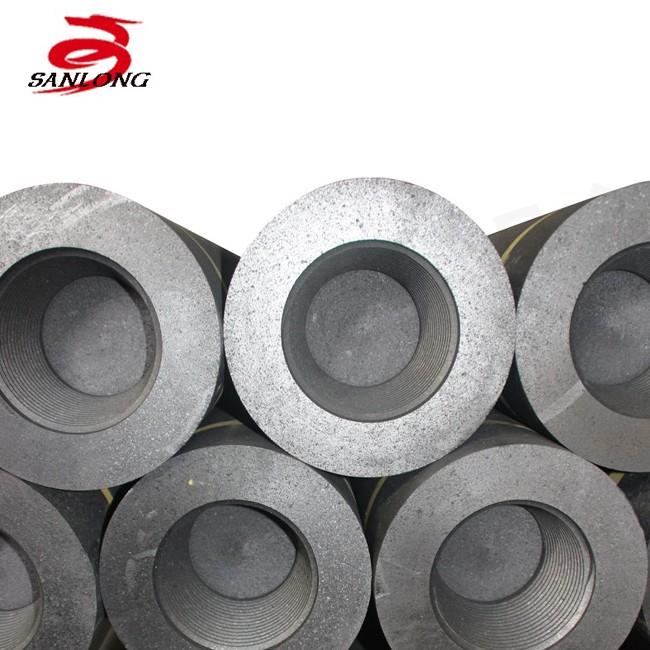

By ensuring a more uniform temperature distribution throughout the bath, UHP electrodes can reduce the thermal gradients that can lead to stress concentration and lining damage. This, in turn, can improve the overall durability of the lining and reduce the need for frequent repairs and replacements.
3. Enhanced Oxidation Resistance
UHP electrodes are typically made from high-quality graphite materials that have excellent oxidation resistance. This property is crucial in the harsh environment of an EAF, where the electrodes are exposed to high temperatures and oxygen-rich atmospheres. The oxidation resistance of UHP electrodes helps to prevent the formation of oxide layers on the electrode surface, which can reduce the electrode's efficiency and increase the risk of electrode breakage.
In addition to protecting the electrodes themselves, the oxidation resistance of UHP electrodes can also have a positive impact on the furnace lining. By minimizing the generation of oxide particles and fumes, UHP electrodes can reduce the amount of corrosive materials that come into contact with the lining. This can help to prevent chemical attack and erosion of the lining materials, extending their service life.
Negative Effects of UHP Electrodes on EAF Lining
1. Thermal Shock
Despite their many benefits, UHP electrodes can also pose a risk of thermal shock to the furnace lining. The rapid heating and cooling cycles associated with the high power densities of UHP electrodes can cause significant thermal stresses in the lining materials. These stresses can lead to the formation of cracks and spalling, especially in areas where the lining is exposed to direct contact with the electric arc or where there are significant temperature gradients.
To mitigate the risk of thermal shock, it is important to carefully control the power input and operating conditions of the EAF. This may include using preheating techniques to gradually bring the furnace lining up to temperature before starting the melting process, as well as implementing cooling systems to prevent overheating of the lining during operation.
2. Erosion and Abrasion
The intense electric arc generated by UHP electrodes can cause erosion and abrasion of the furnace lining. The high-velocity plasma jet and the mechanical forces associated with the arc can wear away the lining materials over time, especially in areas where the arc is concentrated. This can lead to thinning of the lining and a reduction in its insulating properties, increasing the risk of heat loss and energy inefficiency.
To minimize erosion and abrasion, it is important to select lining materials that are resistant to these types of wear. Additionally, proper electrode positioning and alignment can help to distribute the arc energy more evenly across the furnace, reducing the concentration of wear in specific areas.
3. Chemical Attack
The high temperatures and reactive atmospheres in an EAF can also cause chemical attack on the furnace lining. The presence of impurities in the scrap metal, as well as the combustion products generated during the melting process, can react with the lining materials and cause corrosion and degradation. UHP electrodes can contribute to this problem by introducing additional chemical species into the furnace environment, such as sulfur and phosphorus, which can react with the lining materials and form corrosive compounds.
To combat chemical attack, it is important to use lining materials that are resistant to chemical corrosion. This may include using refractory materials with high alumina or magnesia content, which are known for their excellent chemical resistance. Additionally, proper scrap selection and charging practices can help to minimize the introduction of impurities into the furnace, reducing the risk of chemical attack on the lining.
Strategies for Minimizing the Negative Effects of UHP Electrodes on EAF Lining
1. Proper Electrode Selection and Installation
Choosing the right UHP electrodes for your EAF is crucial for minimizing the negative effects on the furnace lining. Factors to consider when selecting electrodes include their diameter, length, grade, and oxidation resistance. It is also important to ensure that the electrodes are properly installed and aligned to ensure uniform heat distribution and minimize the risk of electrode breakage.
2. Optimized Operating Conditions
Carefully controlling the operating conditions of the EAF is essential for reducing the risk of thermal shock, erosion, and chemical attack on the furnace lining. This may include adjusting the power input, oxygen flow rate, and scrap charging rate to maintain a stable and efficient melting process. Additionally, regular monitoring of the furnace temperature, pressure, and electrode consumption can help to detect and address any potential issues before they cause significant damage to the lining.
3. Regular Maintenance and Inspection
Regular maintenance and inspection of the furnace lining are essential for ensuring its long-term performance and durability. This may include conducting visual inspections to check for signs of cracking, spalling, or erosion, as well as performing non-destructive testing techniques to detect any internal damage or weaknesses in the lining. Any damaged or worn areas of the lining should be repaired or replaced promptly to prevent further deterioration.
Conclusion
In conclusion, UHP electrodes have both positive and negative effects on the lining of electric arc furnaces. While they offer significant advantages in terms of efficient melting, improved bath stirring, and enhanced oxidation resistance, they also pose risks of thermal shock, erosion, and chemical attack. By carefully considering these factors and implementing appropriate strategies to minimize the negative effects, it is possible to maximize the benefits of UHP electrodes while extending the service life of the furnace lining.
As a UHP electrode supplier, I am committed to providing high-quality products and technical support to help our customers optimize the performance of their EAFs. If you are interested in learning more about our UHP electrodes or discussing your specific requirements, please [contact us for procurement and negotiation]. We look forward to working with you to achieve your steelmaking goals.
References
- Smith, J. (2018). The Role of Ultra-High Power Electrodes in Electric Arc Furnace Steelmaking. Journal of Steel Research International, 90(5), 456-463.
- Johnson, A. (2019). Thermal Shock Resistance of Refractory Materials in Electric Arc Furnaces. International Journal of Refractory Metals and Hard Materials, 78, 105-112.
- Brown, C. (2020). Chemical Attack and Corrosion of Furnace Linings in Electric Arc Furnaces. Metallurgical and Materials Transactions B, 51(3), 1234-1242.