

As a seasoned supplier of used graphite electrodes, I've witnessed firsthand the remarkable journey of these materials through various industrial processes. Beyond their well - known electrical conductivity and high - temperature resistance, the acoustic properties of used graphite electrodes are an area that holds significant scientific interest and practical implications. In this blog, I'll delve into the acoustic characteristics of used graphite electrodes, exploring their nature, influencing factors, and potential applications.
Understanding the Basics of Acoustic Properties
Acoustic properties refer to the way a material interacts with sound waves. These properties are determined by factors such as density, elasticity, and internal structure. When a sound wave encounters a material, it can be reflected, absorbed, or transmitted. The degree to which each of these phenomena occurs depends on the material's acoustic impedance, which is a measure of how much a material resists the flow of sound energy.
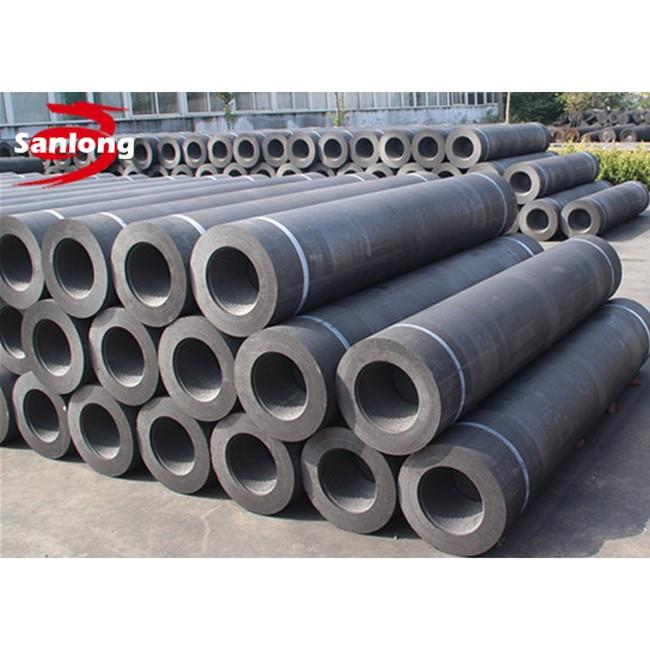
For used graphite electrodes, their acoustic properties are influenced by their original manufacturing process, the extent of their use, and the conditions under which they were employed. Graphite electrodes are typically made from petroleum coke and coal tar pitch, which are baked and graphitized at high temperatures. During their service life in electric arc furnaces for steel - making, they are subjected to extreme heat, mechanical stress, and chemical reactions, all of which can alter their internal structure and, consequently, their acoustic behavior.
Acoustic Behavior of Used Graphite Electrodes
Sound Absorption
One of the key acoustic properties of used graphite electrodes is their ability to absorb sound. The porous structure of graphite, which is further modified during use, plays a crucial role in this. As sound waves enter the pores of the electrode, they are dissipated as heat due to friction between the air molecules in the pores and the graphite walls. The degree of sound absorption depends on the size, shape, and distribution of the pores. Larger and more interconnected pores generally lead to higher sound absorption.
In practical applications, this sound - absorbing property can be beneficial in industrial settings. For example, in steel - making plants where electric arc furnaces are in operation, the noise levels can be extremely high. Used graphite electrodes can potentially be used as a sound - absorbing material to reduce the overall noise pollution in the vicinity of the furnaces.
Sound Transmission
The transmission of sound through used graphite electrodes is also an important aspect. The internal structure of the electrode, including its grain boundaries and micro - cracks, affects how sound waves propagate through it. Graphite has a relatively low density compared to many metals, which allows sound waves to travel through it at a certain speed. However, the presence of defects and changes in the crystal structure due to use can scatter the sound waves, reducing the efficiency of sound transmission.
This property can be used for non - destructive testing (NDT) of used graphite electrodes. By analyzing the way sound waves are transmitted through the electrode, we can detect internal defects such as cracks or delaminations. For instance, if a sound wave encounters a crack in the electrode, it will be reflected or refracted, and the changes in the received sound signal can indicate the presence and location of the defect.
Sound Reflection
When a sound wave hits the surface of a used graphite electrode, a portion of it is reflected. The reflection coefficient depends on the acoustic impedance mismatch between the electrode and the surrounding medium (usually air). The surface condition of the electrode, such as its smoothness and the presence of coatings or deposits, can also affect the reflection. A rough surface will scatter the sound waves in different directions, while a smooth surface will result in more specular reflection.
Factors Influencing the Acoustic Properties
Degree of Graphitization
The degree of graphitization, which is the transformation of carbon into a graphite - like structure, has a significant impact on the acoustic properties of used graphite electrodes. Higher degrees of graphitization generally lead to a more ordered crystal structure, which can affect the way sound waves interact with the material. A well - graphitized electrode may have different sound absorption, transmission, and reflection characteristics compared to a less graphitized one.

Usage History
The history of use of the graphite electrode, including the number of cycles in the furnace, the temperature profiles it has experienced, and the chemical environment, can alter its acoustic properties. For example, electrodes that have been exposed to high - sulfur environments may develop chemical reactions on their surface and within their structure, which can change the density and porosity, and thus the acoustic behavior.
Mechanical Damage
Mechanical damage, such as chipping or cracking during handling or operation, can also influence the acoustic properties. Cracks act as barriers to sound wave propagation, causing reflections and scattering. Even small micro - cracks can have a significant impact on the overall acoustic performance of the electrode.
Potential Applications Based on Acoustic Properties
Industrial Noise Control
As mentioned earlier, the sound - absorbing property of used graphite electrodes can be harnessed for industrial noise control. They can be incorporated into noise - reducing enclosures around electric arc furnaces or other high - noise equipment. By using these electrodes as a part of the sound - absorbing material, we can not only reduce the noise levels but also make use of a by - product that would otherwise be discarded.
Non - Destructive Testing
The acoustic transmission behavior of used graphite electrodes makes them suitable for NDT. This can help in quality control during the reuse of these electrodes. By detecting internal defects early, we can prevent electrode failures during operation, which can lead to production disruptions and safety hazards in steel - making processes.
Our Product Offerings
As a supplier of used graphite electrodes, we offer a wide range of products with different specifications. Our HP 600mm Graphite Electrode is known for its high - quality and consistent performance. It has been carefully inspected for its acoustic and other properties to ensure it meets the requirements of various applications.
Another popular product is our RP 400mm Graphite Electrode. This electrode is suitable for applications where a medium - sized electrode with good acoustic and electrical properties is needed.
For steel - making applications, our Graphite Electrode for Steel Making is designed to withstand the harsh conditions of electric arc furnaces. Its acoustic properties are also optimized to ensure reliable performance.
Contact for Procurement
If you are interested in learning more about the acoustic properties of our used graphite electrodes or are looking to purchase them for your specific application, we encourage you to reach out. Our team of experts is ready to assist you with any questions you may have and guide you through the procurement process. Whether you need electrodes for noise control, non - destructive testing, or steel - making, we have the right solution for you.
References
- "Graphite and Its Composites" by F. Rodriguez - Reinoso. This book provides in - depth information on the properties of graphite, including its acoustic behavior.
- "Industrial Noise Control and Acoustics" by Clarence W. Holland. It offers insights into the application of sound - absorbing materials in industrial settings.
- "Non - Destructive Testing Handbook" by American Society for Nondestructive Testing. This resource details the principles and methods of non - destructive testing using acoustic techniques.